
Alpha-gal Syndrome
You may have heard recently about a tick-related “red-meat allergy.” Alpha-gal syndrome (AGS) is a serious, potentially life-threatening allergy to red meat and other products from mammals. It can develop after a tick bite. The U.S. CDC has documented and reported suspected cases of AGS in New Hampshire.
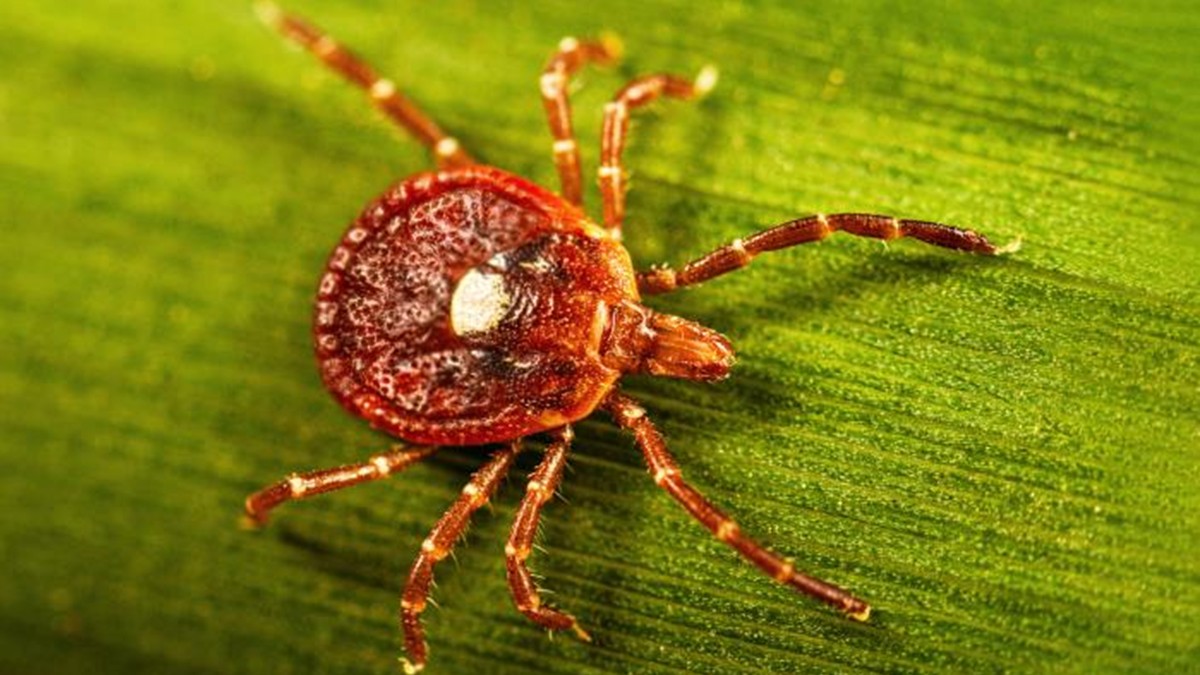
Photo: U.S. CDC
What is alpha-gal?
Alpha-gal is the more commonly used term for a sugar molecule (galactose-alpha-1,3-galactose) which is found in most mammals, but not in people. Tick saliva (spit) can contain this molecule. Ticks can transfer it into a person’s bloodstream through a bite. In some people, this then causes allergic reactions to red meat and other animal products. This happens because the immune system identifies the foreign molecule as a threat and reacts.
Note that the term “alpha-gal” refers to the sugar molecule, but it’s also often used as a shorthand for the associated syndrome. For clarity, we use “alpha-gal syndrome” or “AGS” to refer to the syndrome.

Where is the alpha-gal molecule found?
- Meat or animal products from a cow, pig, deer, lamb, rabbit, or other mammal
- Milk and dairy products
- Broth, stock, bouillon, or sauce made with fat from a mammal
- Gelatin made from animal products
- Non-food substances like glycerin and magnesium stearate that are derived from animal products
How does AGS spread?
AGS is most commonly associated with bites from the lone star tick, though there are also documented cases of AGS tied to other types of ticks, including blacklegged ticks. The time it takes between a tick bite and alpha-gal transmission is variable and still being researched. Because of this, preventive measures and frequent tick checks and removal are critically important. The CDC notes that “lone star tick saliva can be irritating; redness and discomfort at a bite site does not necessarily indicate an infection.” Not everyone bitten by an lone star tick will develop AGS.
AGS in New England and New Hampshire
The U.S. CDC estimates that as many as 450,000 people may be affected by AGS, but historically, most suspected cases have been documented in Southeastern and Midwestern states. However, AGS is spreading geographically, along with the growing range of the lone star tick, including suspected cases documented in New Hampshire.
Data related to AGS is limited, partly because there is not yet an official surveillance system in place for it. Populations of lone star ticks have become established in certain areas of New England, including Cape Cod, Martha’s Vineyard, and Nantucket. The spread of lone star ticks farther north fits within a wider pattern of changing tick risks in New England.
Protect yourself and loved ones from ticks.
The best way to protect yourself from AGS is to prevent tick bites.